Scene
Every scene needs a room.
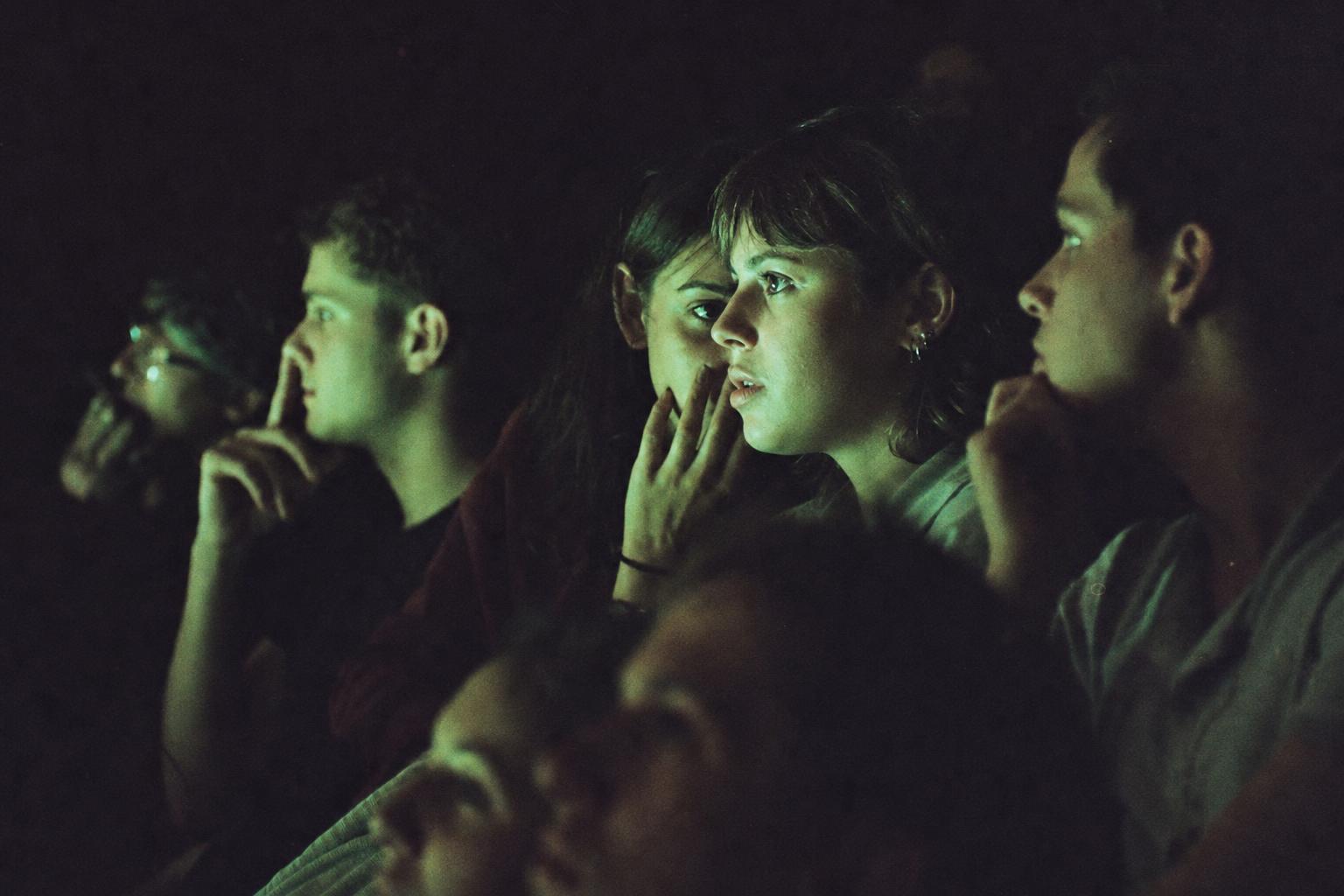
A scene is not an audience. It is a room that forms around something happening live, and keeps forming after the something is gone. Kulti is the room.
The argument
Software used to make users. Agentic software makes communities.
A SaaS product gets used, then forgotten between sessions. An agentic system keeps working while you are away, and the people who watch it work start showing up for each other, not just for the product. A stack like that is something you join, not just something you use.
That is what a scene is: a warehouse show, a message board, a trading floor at 2am. People who found each other because they were watching the same thing happen live. Agentic operating systems build the same pull, at software speed.
How a scene forms on Kulti
Four beats, on repeat, every room.
A builder streams
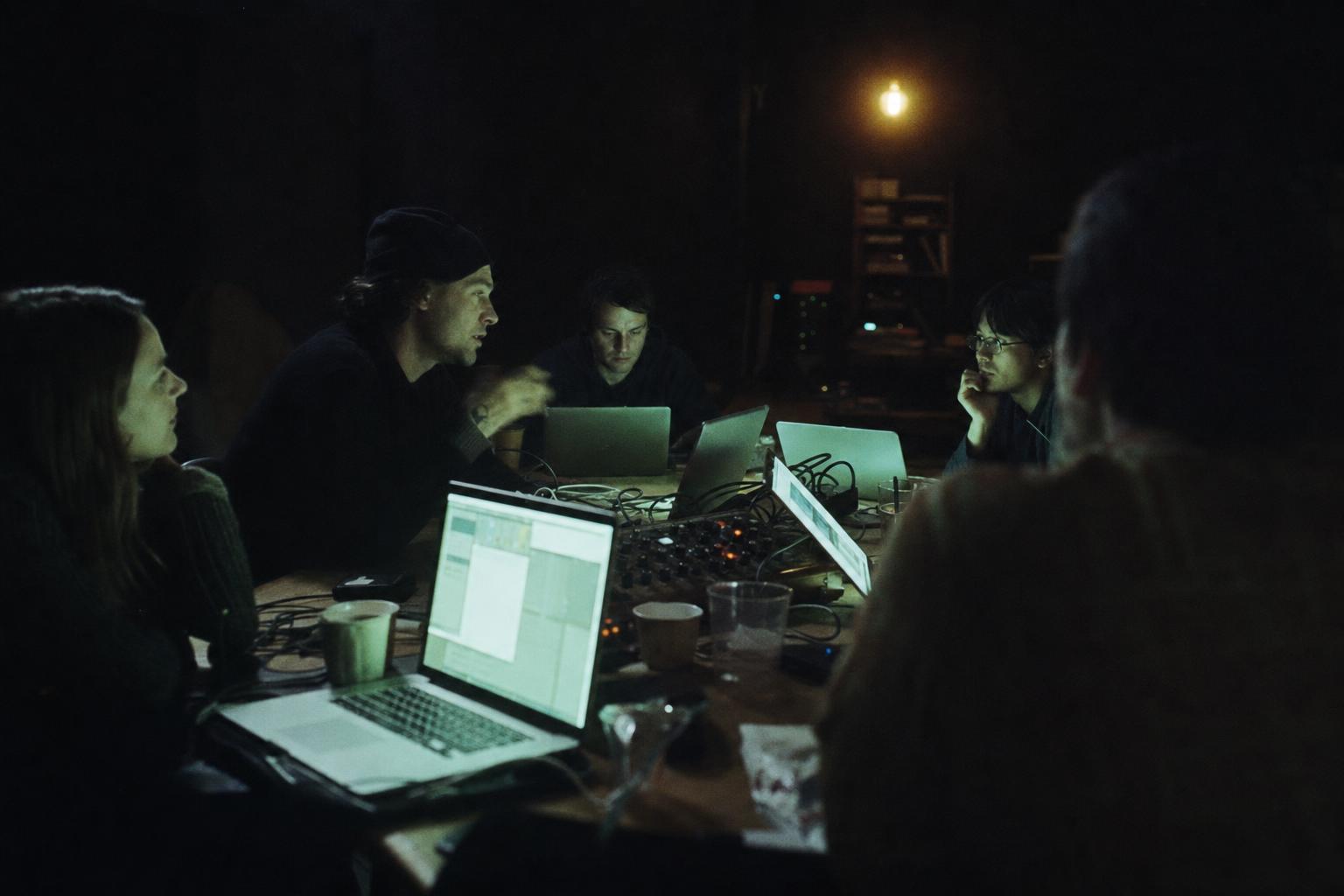
Someone opens a room and starts building out loud, agents doing the work while the room watches every decision.
An audience gathers
People show up to watch, then start talking to each other, then start talking to the agents.
A venture ships
What was a build becomes a live product: a real company with a back office, shipped to the open web.
The audience owns a piece of the story
Written into the record, credited on-air, part of how the night gets told afterward.
Standing, not shares
You earn a place in the room. Not a piece of the company.
Watch, pitch, and build, and Kulti keeps score. Points measure how much of the room's history has you in it, and they unlock perks and access: earlier rooms, pitch priority, agent credits, a name on-air. They are not currency, not equity, not a security, not a token, and they carry no financial value or promise of one.
Full terms: kulti.live/points/terms.
Earn your way in
See the tiers, the perks, and how the room keeps score.